
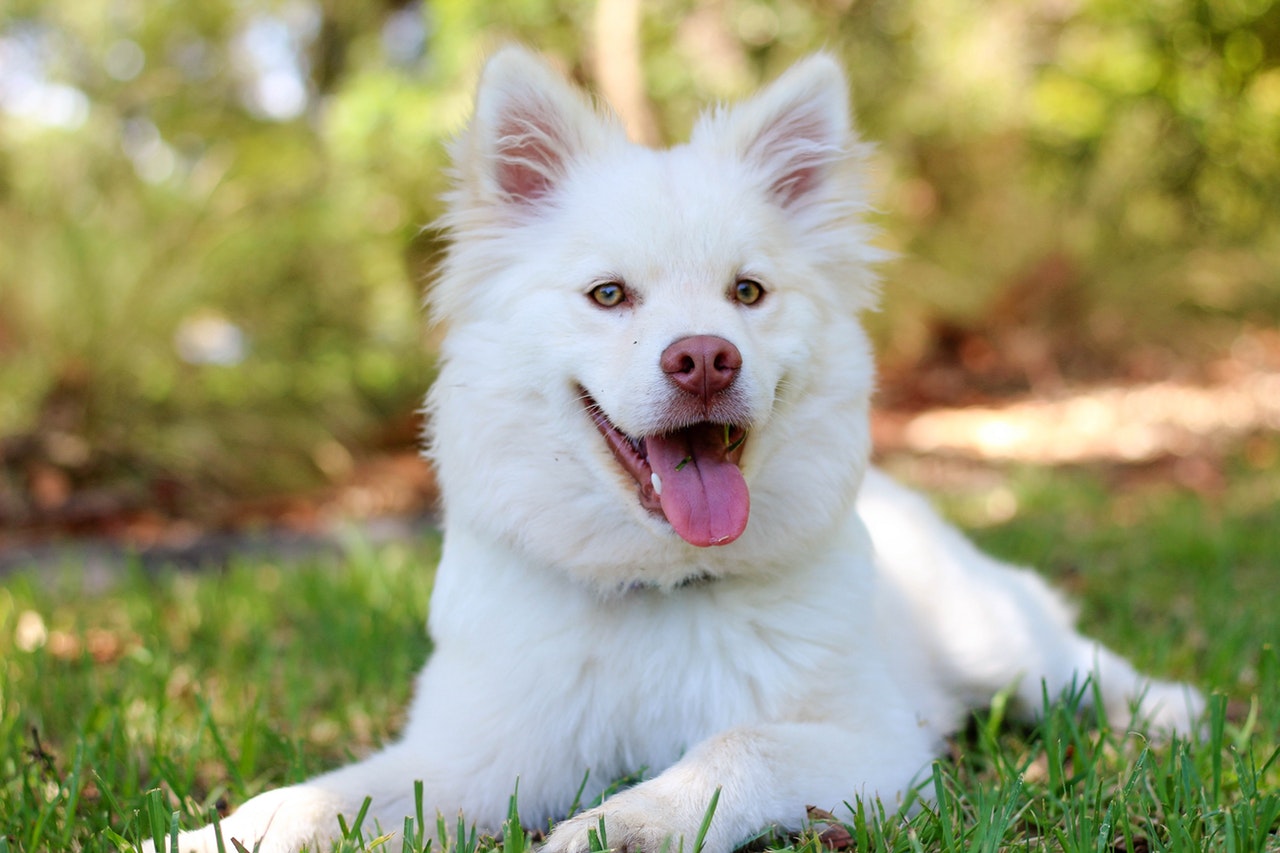
Spring is right around the corner, and soon, it’ll be time to start planting gardens, flowers, vines and all manner of foliage. It’ll also be time for your dog to resume running, digging and playing in the yard. It’s your pooch’s time to stretch his legs and romp in the fresh air, working off all that pent-up energy.
Your pet’s curiosity, however, can get him into trouble, especially if you’re not careful about planting, how you fertilize your garden and yard, and what you use to keep the pests away. Dogs and cats are sickened and killed every year by toxic materials when they dig around looking for goodies to chew on. In fact, according to the National Animal Poison Control Center, 200 dogs a year are poisoned with man-made toxins and plants that are lethal to dogs and other animals. You can protect your furry friends this spring by using organic materials as you fertilize and carefully avoiding plants that can threaten your pet’s life.
Pretty, but poisonous
There are many flowers and other flora that look absolutely beautiful in your yard, but that can kill dogs very quickly. Azalea, oleander, rhododendron, hibiscus, Easter lilies and mistletoe inflict a range of health problems for dogs, including renal failure, cardiac arrest and death. If you’re determined to incorporate these plants in your gardening scheme, take steps to keep them out of your dog’s reach. Plant them in boxes that can be placed on tables, or hung from a fence or windowsill.
Many people resort to fertilizers that can make animals very sick, not knowing that there are plenty of safe, organic options available. Your lawn can gain nutrients from grass clippings, meal fertilizers (i.e. cornmeal or cottonseed meal), liquid potash, and organic liquid and granular fertilizers that can be purchased at your local hardware store.
Out of reach, out of trouble
Discerning gardeners and pet owners are careful to segregate plants that can harm their pet. Take the time to check whether a plant you want to include in a garden can be harmful. If it is, you can put up a fence or barrier of some kind to prevent your dog from nosing his way into trouble. Seemingly innocent plants, like tomatoes, potatoes, eggplant, rhubarb and onions, pose a danger to your dog. Almond and walnut trees produce nuts that contain tannin, which is toxic to dogs. These plants can cause damage to your pet’s heart and red blood cells.
Some fruit trees, including cherry and apricot, have toxic bark and produce pits that can be destructive to an animal’s digestive system. If you have any of these trees or plants, your safest bet is to get rid of them; if not, you’ll need to fence them off or separate your pet from them by some reliable means.
For dogs only
If your dog spends a lot of time outside, you know how much he likes to cruise around the perimeter of your yard along the fence line. You can use this to your advantage if you’re trying to keep him away from your garden. Keep this perimeter area plant-free, or set aside a special digging area in your yard where Fido can do what many dogs do instinctively – dig like crazy. That’ll keep him distracted from any trees, bushes or plants that could cause problems. You can also go for extra walks to work off your dog’s energy, or hire a dog-walking or dog day care service to ensure he gets plenty of exercise and social time in a safe setting.
Keeping your dog safe in the back yard requires attention to detail, and a good knowledge of which plants are safe and which are not. Understanding what you’re planting in the space your dog plays in will guide you in where to put up barriers, and how to segregate your dog and any other outdoor pets from the garden. It’s an important part of being a responsible pet owner.
Courtesy of Pexels.com